Even if you feel somewhat clear-headed, you may still experience clumsiness, unsteadiness, or difficulty walking in a straight line. This occurs because alcohol affects the cerebellum, the part of the brain responsible for coordination, and its effects can linger long after consumption. On average, the body can metabolize 14 grams of alcohol per hour, the amount found in one U.S. standard-sized drink. How long alcohol stays in your body depends on a variety of factors, including your age, weight, sex, and overall health. Similarly, how long alcohol is detectable in the body via a test depends on the type of test used. The long-term effects of alcohol can include liver damage, heart disease, high blood pressure, and an increased risk of certain types of cancer.
- We publish material that is researched, cited, edited and reviewed by licensed medical professionals.
- If you’ve recently consumed a large amount of alcohol, the window of detection may be longer than if you had a single drink.
How the Body Processes Alcohol
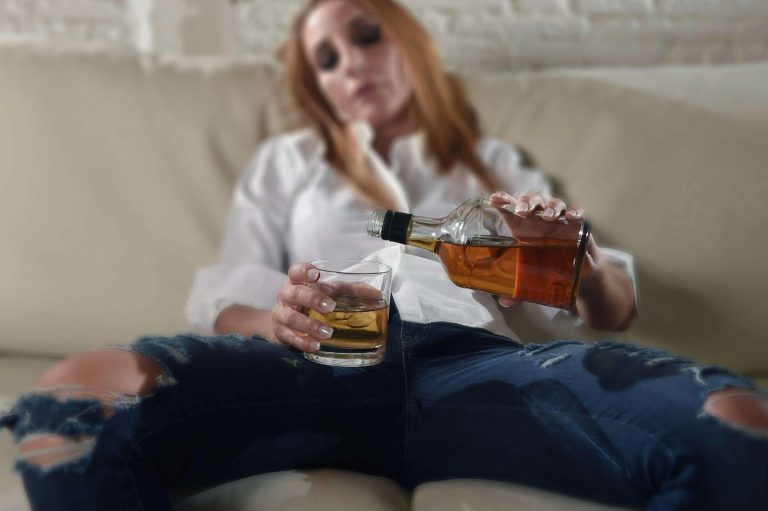
The relationship between body weight and alcohol metabolism is a critical factor in determining how long alcohol remains in the bloodstream. Generally, heavier individuals may metabolize alcohol faster than lighter ones due to differences in body composition and metabolic efficiency. However, individuals with greater body mass often have a higher volume of blood and more liver tissue, which can enhance their ability to metabolize alcohol more efficiently. Alcohol is primarily metabolized by the liver, which processes about one standard drink per hour, though this can vary. Factors like hydration, food intake, and overall health also influence how quickly your http://zednik-profiobkladac.cz/domains/zednik-profiobkladac.cz/2021/10/12/7-ways-to-get-rid-of-a-hangover/ body eliminates alcohol. Common methods to detect alcohol include breathalyzer tests, blood tests, and urine screenings, each with different detection windows.
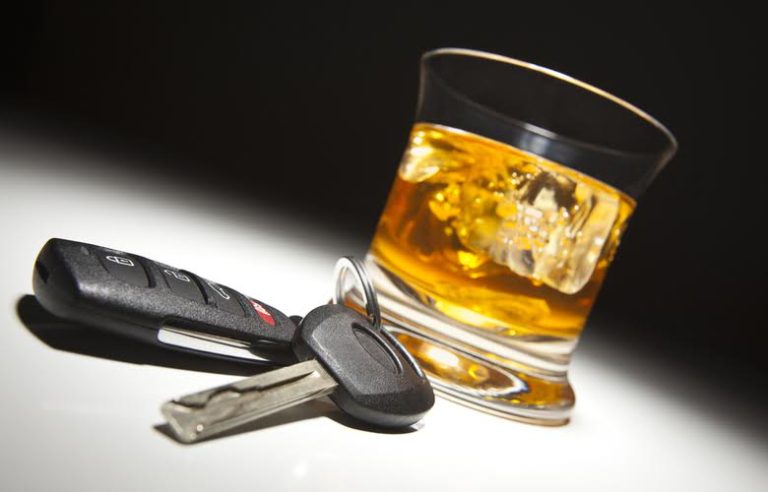
Alcohol Absorption and Metabolism
- Urine tests have the longest detection window for alcohol, ranging from 12 to 48 hours after consumption, depending on BAC levels.
- Your weight, age, sex, and overall liver health all play crucial roles in determining your personal alcohol metabolism timeline.
- Caffeinated and sports drinks can increase the rate of absorption, while water or fruit juice slows it down.
- Eating before drinking can help slow the rate at which alcohol is absorbed into your bloodstream and metabolized by your liver.
- The two liver enzymes primarily responsible for alcohol processing are alcohol dehydrogenase (ADH) and aldehyde dehydrogenase (ALDH).
These devices measure the amount of alcohol in the breath, which correlates directly to the blood alcohol concentration (BAC). ETG (ethyl glucuronide) urine tests can how long does alcohol stay in your system detect alcohol in the body for up to 80 hours—and in some cases, even 120 hours—after your last drink. This extended window makes it possible to confirm alcohol use days after a person’s blood alcohol content (BAC) drops to zero. While a breathalyzer only works for a few hours, urine ETG testing captures alcohol exposure well beyond visible signs of intoxication. On average, the body metabolizes alcohol at a rate of 0.015% BAC per hour, meaning it takes about 5-6 hours to eliminate the alcohol from two standard drinks.
‘I’ve known how I’m going to die for 18 years – I feel like a ticking timebomb’
- Once alcohol is in your stomach, about 20% is absorbed and enters your bloodstream.
- However, for moderate drinking, most people metabolize alcohol within 6-12 hours.
- This means that consuming larger quantities of alcohol simply extends the time required for your body to process it.
- Apps like Reframe, developed with insights from medical and mental health professionals, offer personalized drink tracking and evidence-based behavior change programs.
Even a small amount can affect important functions like speech and movement. Drinking very large amounts all at once can slow your heart rate and breathing down to a dangerously low level. Urine tests are not the preferred method of testing for alcohol use in most circumstances. Urine testing is usually only done when other types of alcohol tests are unavailable because it’s more difficult to determine someone’s Sober living home BAC. However, these tests are inexpensive and noninvasive, so they may be used in certain circumstances.